PASI Conducts Animal Welfare Education for Students
of Pakuan University in Bogor.
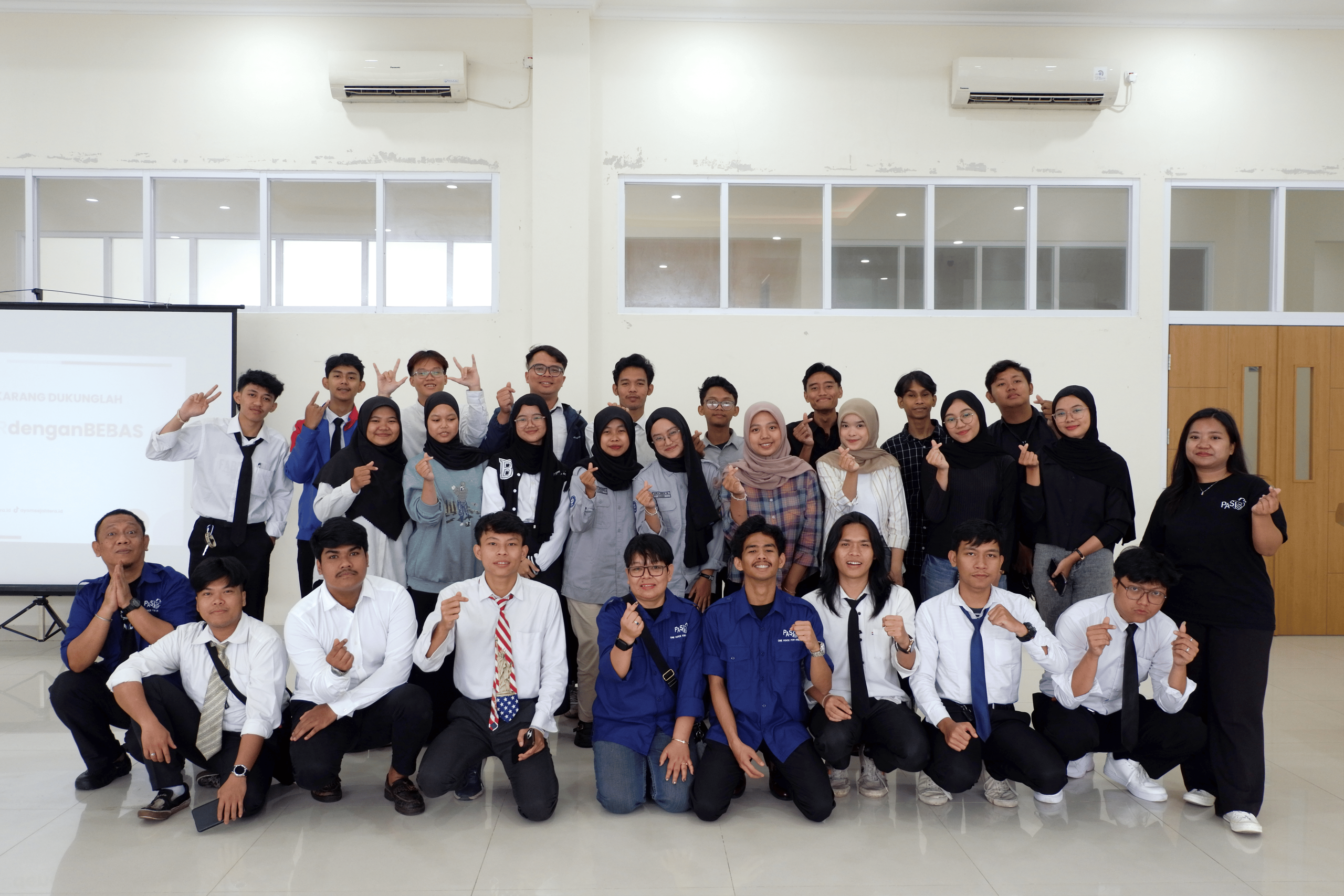
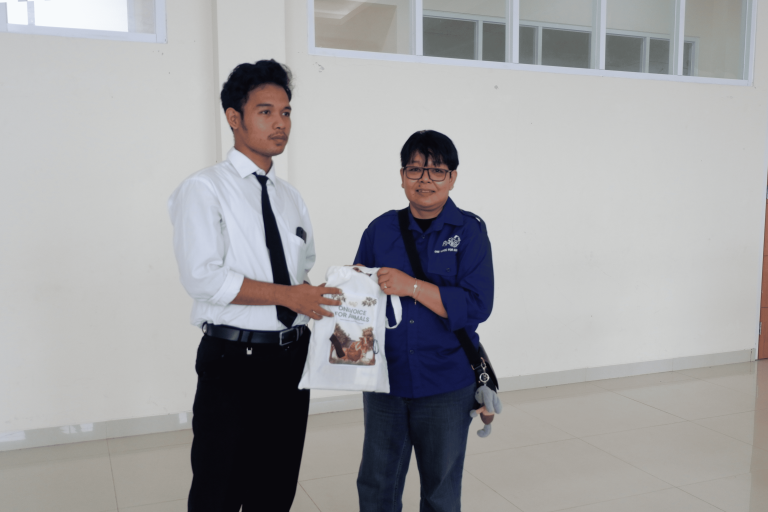
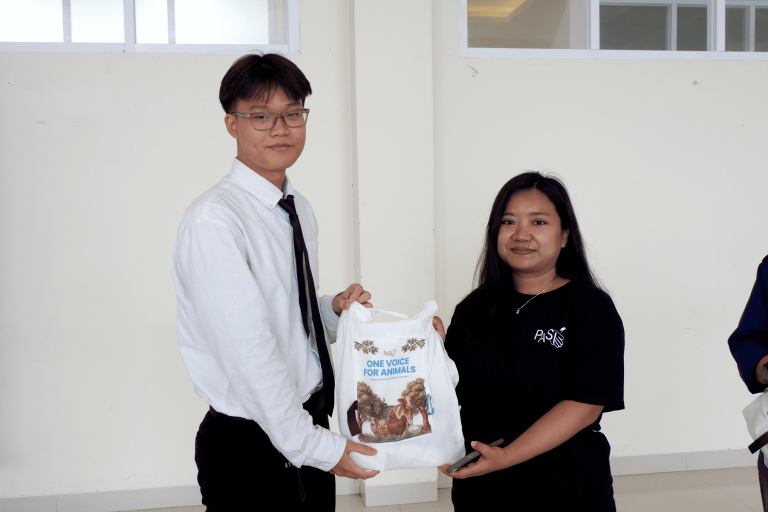
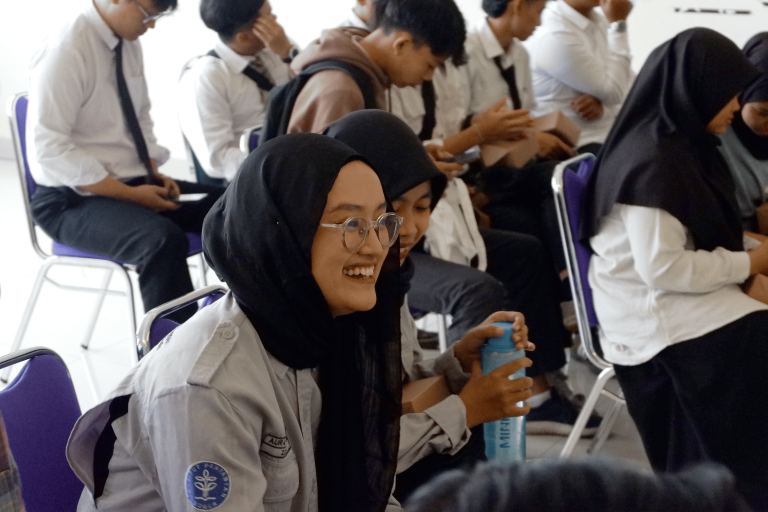
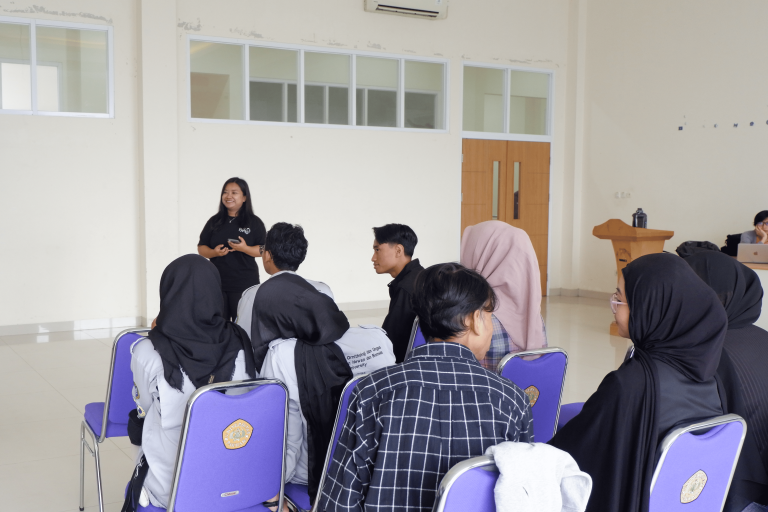
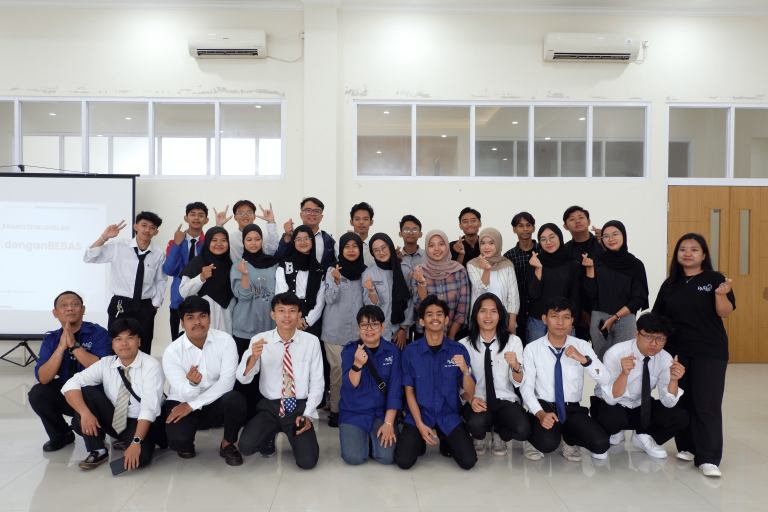
Bogor, January 23, 2026 – Perkumpulan Ayam Sejahtera Indonesia (PASI) organized an educational activity for students of Universitas Pakuan, Bogor, as part of its efforts to enhance young people’s understanding of the importance of implementing animal welfare principles in the livestock industry, particularly in the laying hen sector.
This activity aimed to provide a comprehensive understanding of animal welfare concepts, the role of PASI as an organization, and more responsible farming practices that adhere to animal welfare standards.
The Importance of Animal Welfare
In this activity, PASI explained that animal welfare refers to a condition in which animals can live properly, receive high-quality feed, remain healthy, and be free from suffering, including having the opportunity to express their natural behaviors.
The implementation of animal welfare is not only related to ethical considerations, but also has an impact on the quality of food products such as eggs, public health, and environmental sustainability
Education on Cage-Free Systems in Laying Hen Farming
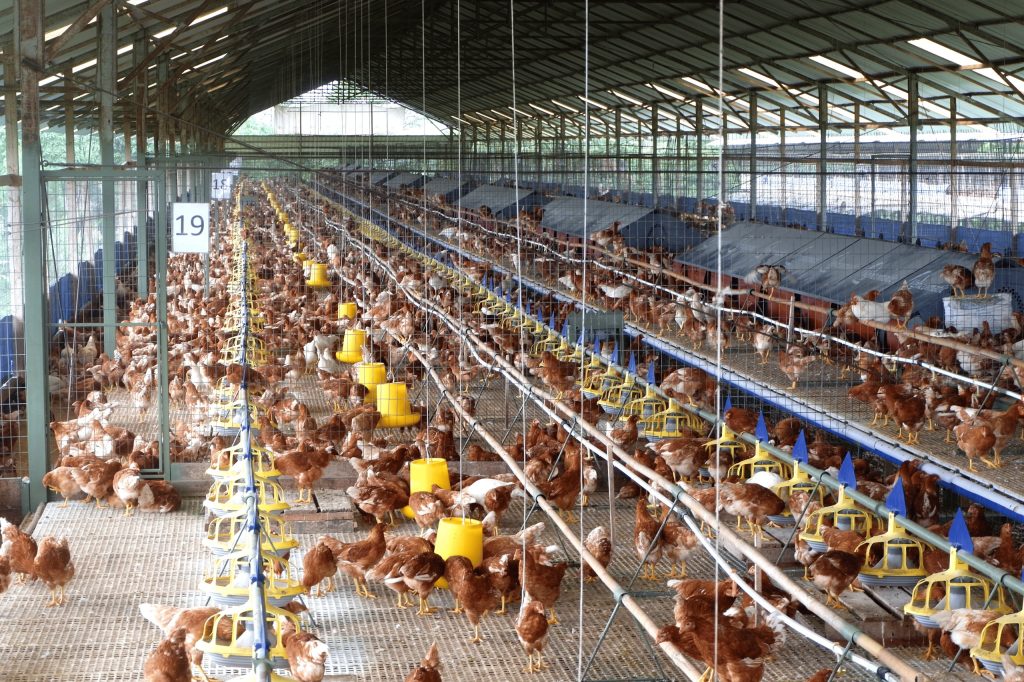
As part of the educational material, PASI introduced a cage-free system in laying hen farming, which is a method of raising chickens without the use of confined cages (battery cages), allowing them greater freedom of movement.
In this system, hens are able to perform natural behaviors such as moving freely, perching, and nesting, which are important indicators of animal welfare.
The Role of Students as Agents of Change
Through this activity, PASI encourages students as the younger generation to take an active role in raising public awareness of animal welfare issues.
It is hoped that the knowledge gained will serve as a foundation for developing critical thinking and fostering positive change in their surroundings.
PASI believes that education is a strategic step in creating long-term change. With increasing public awareness, especially among the younger generation, the implementation of animal welfare standards in Indonesia is expected to become more widespread and sustainable.